San Gabriel restaurant fined for signature "stinky tofu" dish
by CBS LA
https://www.youtube.com/watch?v=xt-u6mGCDc0
加州一家台菜餐廳被市政府罰款,因為鄰居受不了他們的臭豆腐臭味向市政府單位告發他們。有趣的是記者採訪一間他們隔壁的商家,受訪者說他沒聞過什麼臭味,他還說在這之前他也不知道他們有賣 stinky tofu。
San Gabriel restaurant fined for signature "stinky tofu" dish
by CBS LA
https://www.youtube.com/watch?v=xt-u6mGCDc0
加州一家台菜餐廳被市政府罰款,因為鄰居受不了他們的臭豆腐臭味向市政府單位告發他們。有趣的是記者採訪一間他們隔壁的商家,受訪者說他沒聞過什麼臭味,他還說在這之前他也不知道他們有賣 stinky tofu。

https://ifunny.co/picture/today-the-librarian-informed-me-i-had-a-20-year-4ceXtFFm8
“… holds a grudge like your local public library.”

Back in college, I was once denied registration for a new semester. The reason? One school library book that I didn’t return.
It was near the end of the summer vacation. The school was out and I moved back home for the vacation. Back then, we had to register in person, and the school campus was more than 35 kilometers away, so I took a train, then a bus, and then hiked my way up a hill to the school—all in all the trip took me about four hours.
When the girl manning the desk told me I couldn’t register because of a library book due, I was puzzled, because I didn’t remember I borrowed a book and not returning it. She handed me a printout with the title of the book on it. I didn’t recognize the title.
In any case, I had to locate the said book. I had a rented room near the school with most of my school books and stuff in it, so I went there first. I searched frantically and couldn’t find the book. To continue the search I headed back home. After the reverse four-hour trip returning home, I still couldn’t find the book. I was distraught, and still I had to find the damn book, so I took a proverbial big breath and started the trip yet again back to my rental place, hoping I’d overlooked something.
To make the story short, four hours later I found the book. It was in a pile of books that I bounded with a rope when I moved to this rental place at the beginning of the summer vacation. With the book in my hands, now I remembered I did borrow this English novel from the library—Moment in Peking by Lin Yutang(*1).
When I first got the novel, I tried to read it, but after a few pages in it proved to be difficult, so I put it down and soon forgot all about it. I knew the book’s famous Chinese title but I failed to memorize its English title, and that’s why it didn’t ring a bell when I first saw the title on the printout. The next day I returned the novel, paid a small fine, and completed my registration.
(*1) Lin wrote the book in English, which was later translated to Chinese and titled 京華煙雲.
The novel is available on Internet Archive(archive.org). You can search
the site, or find the link on this book’s Wikipedia page.
https://www.dictionary.com/browse/book-it
IDIOM
Slang.
to move quickly; hurry.
We had to book it to the other terminal to make our flight, which we barely did.
to flee at top speed, as to avoid being discovered or caught by someone.
The cops are coming—book it!
https://www.dictionary.com/browse/book
VERB (used without object)
3. Slang.
b. to leave; depart
I'm bored with this party, let's book.
https://youtu.be/awSW2nH52RM
一則電視新聞報導。一個偷車賊在逃跑中撞上另一輛車,然後......
... Murphy, for some reason, crashed into another car and tried to book it.
我第一次在一本小說上讀到 book 這用法時印象很深,因為沒想到 book 居然還有這意思。原句子大概是"... he booked to the kitchen"。昨晚在看新聞時突然聽到這"... book it"就又特別留意了一下。
真是XXX,一個禮拜不到,附近的加油站(至少)連三漲!
X的,又又又漲!
這是前些天星期四的事。從信箱拿進來的郵件裡頭有 Burger King 的 coupon。我瞄了一下,發現價目好像不大對勁,因為不久之前才用了他們的 coupon 去附近的一家 Burger King 吃東西。我把舊的那張拿來比較一下。舊的剛過期幾天。這個新的......
 |
| 舊的。2/22/2026 過期 |
 |
| 新的。4/4/2026 過期 |
同樣的 coupon 項目:(沒有 coupon 折扣過的原價目會更高)
- Whopper Medium Meal For 2:
舊:$14.99
新:$15.49
- 8 Pc. Chicken Nuggets & 1 Large French Fries:
舊:$3.99
新:$4.49
原始: 12/6/82 當年的連載報紙沒找到

右邊漫畫框:... He said two jerks means 'more slack' and three means 'come up' ... (1)
September 6, 1989, page 26(*2)

... He said two jerks meant 'more slack' and three meant 'come up' ... (2)
Volume One, 1980-1984, by Gary Larson, 2003, page 260

... He said two jerks means 'more slack' and three meant 'come up' ... (3)這個上色的版本也是網路上流傳最廣的版本。我的猜測是要嘛是 OCR 掃描辨認失誤,要嘛就是單純的人為錯誤。
(*1)

(*2)


Butter? Cream? ...?
這是多年前的一件趣事。我哥有時會來我這開伙。這次他說要煮洋蔥湯,因為他在華人報紙上看到這食譜。他說他在餐廳吃過洋蔥湯,覺得很好吃,於是想自己做看看。反正煮的人是他,我就讓他在廚房裡忙。
當時我正在看電視。我記得他說要「炒」洋蔥,只是我看了好一陣子電視後突然發覺怎麼他還在那裡「ㄌㄚv」(還在那拿著鍋鏟攪啊拌啊),於是我好奇過去看.....(如第二個照片)。
這時我突然想到他之前不是說要「炒」洋蔥嗎?怎麼是一鍋的湯?
看樣子文馨似乎好了些,兩個英文字的翻譯沒有用到相同的中文,但是如果按照文馨的翻譯的話,那麼喝咖啡時加的「奶油球」就變成「乳脂球」或是「乳皮球」。
以下的 butter 和 cream 說明是專指用於烹飪和飲食方面的字義。
Butter 在室溫下是固態狀,通常是(淡)黃色(有染色),也有白色的(沒染色)。基本上是當成油脂來用(比如用於油炸)。
Cream 是液態狀,在美國的話依照油脂含量來說有分很多種,比如 heavy cream, light cream, half & half 等等,油脂含量越高越濃稠。因為水分含量高,所以不能用於油炸。我哥就是犯了這錯誤,他以為他買的通常用於加在咖啡裡頭的「奶油」 half & half cream 是油炸煎炒用的「奶油」,更扯的是他買到的是「fat free」,油脂含量幾乎是零(我剛查了這商品成份標示,有微量的油脂,可以按照規定標示為零油脂)。他是有說因為報紙上的洋蔥湯照片看起來是白色的,所以他以為是 ......
有次有個網友問我中文打字用的有注音符號的鍵盤在美國要在哪買。我回說我不知道,因為我用的是一般英文字母鍵盤。
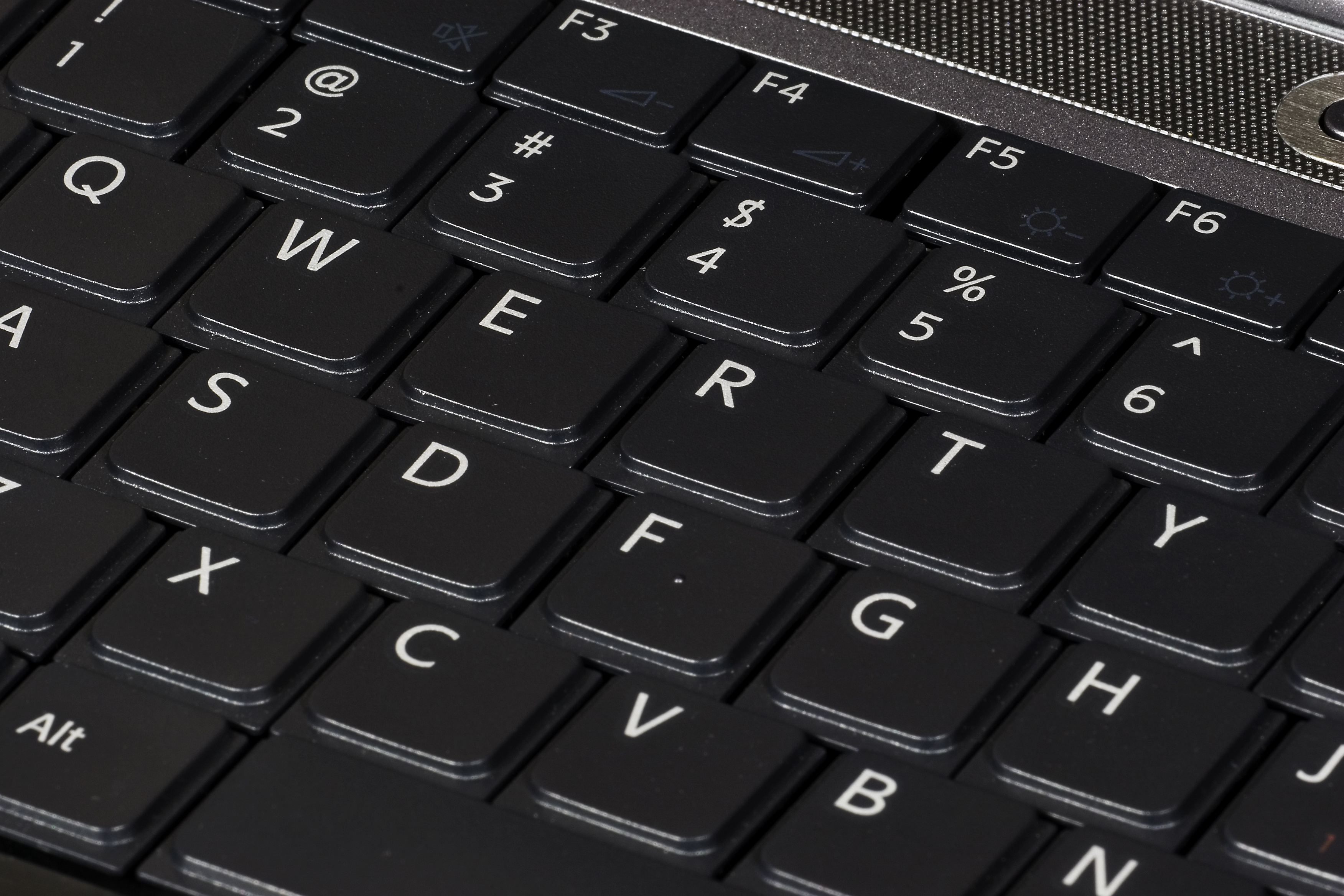
平板和手機打字時我倒是得用那種(大易)注音符號排列,一來我用的 Google Keyboard 的中文輸入沒有倚天的鍵盤排列,另外就是我打中文(和英文)時已經是靠 muscle memory —— 平板和手機的螢幕鍵盤寬度太窄,我沒有辦法兩手平放在螢幕上打字,結果就是我得用一隻手找注音符號打字。反正都是要找符號,用一般的注音符號排列就可以了。我很少用平板或是手機打中文,所以這倒是沒差。
我們這邊約上個月有一場 snowstorm,下了超過一整天,累積雪量超過一英呎。今天呢則是來了場 blizzard。現在是早上,從窗外望出去一片白,這場 blizzard 從昨晚開始,估計今天會持續到下午(剛查了氣象預報,下午4點從 Blizzard 轉為 Snow/Wind,然後 Snow Showers/Wind),雪量跟上次差不多。
上次那場 snowstorm,我在報給台灣親友知道時,我本來想寫以前背過的 「暴風雪」,但是那場 snowstorm 主要是大雪,風速不大,要說是「暴風」總是怪怪的。現在則是來了場 blizzard,因為上次的 blizzard 是在 2022 年,很多年沒聽到這字眼,這次再次聽到,我記得以前背過的好像也是 「暴風雪」。好奇之下我查了一下:
暴風雪
以上來源於:《英漢大辭典》
a heavy fall of snow accompanied by a high wind.
以上來源於:《簡明牛津英語詞典》
大風雪,暴風雪
以上來源於:《英漢大辭典》
a severe snowstorm with high winds.
以上來源於:《簡明牛津英語詞典》
暴風雨,大風雪
大風雪,暴風雪
嗯,這跟那個「中暑 與 中暑」有拼。還是直接看英英字典吧:
https://www.ahdictionary.com/word/search.html?q=blizzard
A storm marked by heavy snowfall.
1a. A violent snowstorm with winds blowing at a minimum speed of 35 miles (56 kilometers) per hour and visibility of less than one-quarter mile (400 meters) for three hours.
在電視台看到的:


這用法的表達重點是在那個特定日期(on … October 20),當天的那個 “the morning” 倒是其次。我們有時記得的是一個特定事件「那天」,這時是用那個事件代表那天,這表達習慣中文和英文一樣。
1. https://www.ldoceonline.com/dictionary/morning
找 GRAMMAR: Patterns with morning
...
on the morning of something
• Something happens on the morning of a particular date or event:
- On the morning of March 15,2008, he was involved in a car accident.
- Make sure you arrive in plenty of time on the morning of the exam.
2. http://www.merriam-webster.com/dictionary/morning
例句: She arrived on the morning of March 18.
3. https://dictionary.cambridge.org/us/grammar/british-grammar/at-on-and-in-time
找 In or on? "... The ship left the harbour on the morning of the ninth of November."
4. https://www.oxfordlearnersdictionaries.com/us/definition/english/morning_1
和 late 或是 early 搭配時的慣用表達則是用 in。比如 late in the morning of June 19, 1967。
這用法表達重點除了日期之外也特別將注意力轉移到特定的區段(以上例為例,不是 early in the morning 喔,是 late in the morning)。
1. https://www.ldoceonline.com/dictionary/in-the-morning
Examples from the Corpus:
- Late in the morning of June 19,1967, he received a call from Atty.
2. English in Mind Level 2B Combo, by Herbert Puchta, Jeff Stranks, Cambridge University Press, page 12
- ... it happened very early in the morning of April the eighteenth, 1906.

說老實話,我第一次在網路上碰到有人問這問題時我也以為是 in。我當時不知道用 on 的這用法,因為之前沒碰過——不管是日常,在讀研究所時或是後來上班,一般要嘛講個大概日期,要嘛如同商業書信那樣明確的寫好時間和日期,沒必要在那邊另外加個模糊性質的 the morning。不過在那之後我在新聞媒體上碰到時我倒是有特別注意這用法。
編按:以下為舊資料
比如 sing, singer。很多年前有人在網路上問這問題。他說在看美劇時聽到有演員在發 ng 的音時尾端有個 /ɡ/ (hard ɡ) 音,所以 sing 變成 /siŋɡ/ ,然後 singer 變成 /siŋɡɚ/。說老實話,那時我是第一次聽到有這種事,不過之後我刻意留意這現象,也還真的多次在電視上聽到這種念法(特別是在戴耳機聽的時候)。 好奇之下我查了一下,基本上是這樣:
根據Wikipedia 這篇的說明, ng 在遠古以前還真的是念成 /ŋɡ/ ,後來,也就是現代,這兩個音合併成只發 /ŋ/ 一個音(NG-coalescence)。這也是為什麼在 YouTube 上眾多英文母語人士的英文發音教學影片裡頭的 NG 清一色都是教 /ŋ/ 這個標準發音,沒有另外提 /ŋɡ/ 這種地方/區域性的念法(詳細的讀上頭的 Wikipedia 文章)。
幾個例子:


總之就是知道有這現象就好,不要刻意學。
直接看影片比較清楚:
如果上頭的 yarn.co (或是 getyarn.io) 無法看影片,那麼看這個英文教學影片也行:
...
Register
In everyday English, people often say that someone has something on rather than is wearing something:
· She had on a black silk dress.
注意讀 Register 部份的說明。
之前的舊資料
Damn! I missed it .... Wait, no 🤣
https://boston.craigslist.org/gbs/evg/d/boston-attend-melania-documentary-free/7911560682.html
Attend MELANIA documentary- Free tickets + $50!!! (Boston)
Before update:


